

SakuraDate
Premium Asian dating platform with verified profiles, advanced video chat, and 24/7 support for serious relationships.
Verified ProfilesIndia's 1.4 billion people represent incredible diversity-Hindu, Muslim, Sikh, Christian, Jain, and Buddhist communities spanning from Kashmir to Kerala, Gujarat to Assam. Indian women seeking Western partners bring education, ambition, strong family values, and rich cultural heritage to cross-cultural relationships.
Indian mail order brides represent one of the most educated and culturally diverse groups in international dating. With India's rapidly growing middle class, increasing English proficiency, and global connectivity, more Indian women are exploring relationships beyond traditional arranged marriage systems.
India's women are ambitious and well-educated-over 50% of university graduates in major cities are female. Many work in technology, healthcare, education, and business while maintaining strong family connections. Indian women combine modern career aspirations with traditional values around loyalty, family commitment, and partnership.
Western men appreciate Indian women's intelligence, warmth, natural beauty, and deep respect for family. Cross-cultural relationships with Indian brides offer rich exchange of traditions, languages, cuisines, and perspectives that create unique and fulfilling partnerships.
These verified platforms connect Western men with Indian women seeking serious relationships. Each site offers safety features, verified profiles, and communication tools designed for cross-cultural dating.
Premium Asian dating platform with verified profiles, advanced video chat, and 24/7 support for serious relationships.
Verified Profiles
Connect with educated Asian women seeking Western partners. Smart matching algorithm and real-time translation features.
ID Verified
Discover genuine connections with Asian brides. Comprehensive profiles, gift delivery, and relationship coaching included.
Secure Platform
Vibrant community of Asian singles seeking love. Advanced search filters and instant messaging for fast connections.
Safe & Secure
Find harmony with South and Southeast Asian partners. Cultural matching tools and family-focused relationship support.
Background ChecksUnderstanding India's incredible diversity is essential for successful relationships with Indian women. Religion, region, language, and caste all influence family structures, dating expectations, marriage customs, and daily life.
Most Indian women you meet will be Hindu. Hindu families vary widely-from conservative traditional households to progressive modern families. Many Hindu women are vegetarian and celebrate festivals like Diwali, Holi, and Navratri. Arranged marriages are still common but increasingly flexible, with women having veto power and meeting potential partners before commitment.
Muslim Indian women (often called "Indian Muslim brides") face unique considerations. Conservative families may require conversion or have stricter dating boundaries. However, urban educated Muslim women often have more autonomy. Respect for halal dietary rules, prayer times, and modest dress is important. Family approval is typically non-negotiable for marriage.
Sikh women, primarily from Punjab, combine strong family values with relatively progressive gender roles. Sikh culture emphasizes equality and service. Many Sikh families are open to intercultural marriage, especially with Western partners who respect Sikh traditions. Expect warm hospitality but also close family scrutiny.
Indian Christians (especially from Kerala, Goa, and Northeast India), Jains, Parsis, and Buddhists represent smaller but significant communities. Christian Indian women may feel more culturally aligned with Western dating norms. Jain women often practice vegetarianism and non-violence. Each community has distinct marriage customs.
India's regions are almost like different countries. A woman from cosmopolitan Mumbai may have very different expectations than someone from rural Rajasthan or conservative Uttar Pradesh. Southern states (Tamil Nadu, Kerala, Karnataka) often have higher female education and more gender equality. Northern states vary widely. Northeastern states have distinct cultures and more Christian populations.
Understanding arranged marriage traditions helps Western men navigate relationships with Indian women. Online dating represents a significant shift from traditional matchmaking-but family involvement remains central even in modern courtships.
Contrary to Western stereotypes, modern arranged marriages are rarely "forced." The contemporary model is "assisted arranged marriage"-families identify potential matches based on compatibility factors (education, profession, family background, values), introduce the couple, and allow them to meet and decide. It's more like "family-approved dating" than coercion.
Women in arranged marriages typically meet their potential partner 2-5 times over weeks or months, sometimes with family present, sometimes alone. They're encouraged to ask questions, assess compatibility, and say no if they don't feel a connection. Educated urban women have significant veto power-no match happens without mutual consent.
Online international dating represents a parallel path for Indian women seeking more autonomy in partner choice. Women who join dating sites are usually:
Even Indian women who choose their own partners through dating sites usually need eventual family approval for marriage. For many Indian women, marrying against family wishes means risking estrangement, social stigma, and severed family ties-an unthinkable sacrifice in collectivist culture.
This means if you're serious about an Indian woman, you'll eventually need to "win over" her parents and extended family. They'll evaluate your character, financial stability, respect for Indian culture, and commitment to their daughter. Be patient-this process can take months or years.
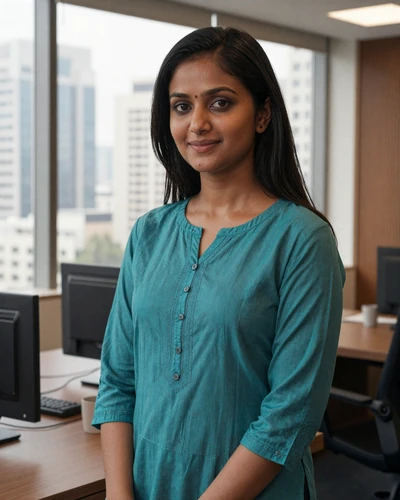
Software engineer passionate about classical dance and contemporary art. Balancing modern career with traditional family values.
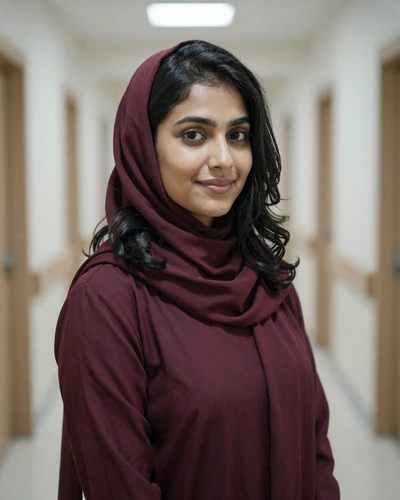
Medical professional who loves traveling and learning languages. Seeking partner who respects faith and family traditions.
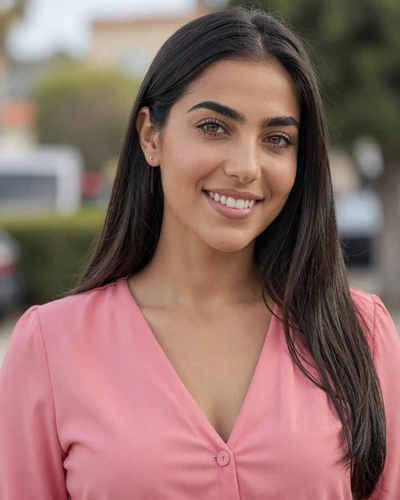
Business consultant with entrepreneurial spirit. Love cooking Punjabi food and hosting family gatherings. Seeking genuine connection.
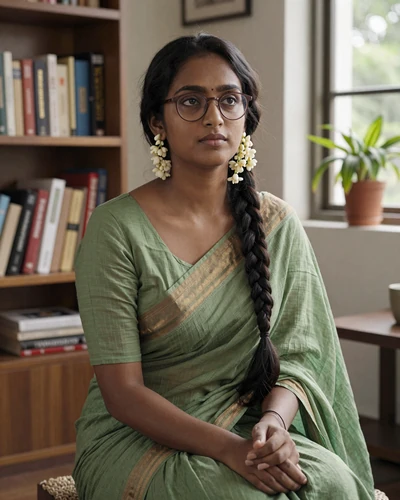
Data scientist and classical music enthusiast. Enjoy quiet evenings with books and meaningful conversations about culture and philosophy.
Successful relationships with Indian women require understanding the central role of family and adapting your communication style to show cultural respect. Here's how to navigate these dynamics effectively.
Indian women, especially from traditional backgrounds, often communicate more indirectly and politely than Western women. They may avoid direct confrontation, say "maybe" instead of "no," and express disagreement subtly. This isn't deception-it's cultural communication norms prioritizing harmony and respect.
Be a gentleman in your communication: offer sincere compliments without being overly familiar, listen actively without interrupting, avoid controversial topics (politics, India-Pakistan relations, caste system) early on, and maintain respectful tone even in disagreements. Body language matters-excessive physical contact or public displays of affection can be uncomfortable for many Indian women.
For most Indian women, family isn't just important-it's central to identity. She likely talks to parents daily, seeks their advice on major decisions, and plans life around family obligations. Respect this rather than viewing it as lack of independence.
When you meet her family (virtually or in person), demonstrate respect through:
Even if you're not religious, respect her spiritual practices. Hindu women may maintain home shrines, observe fasting days, or celebrate numerous festivals. Muslim women have prayer requirements and dietary restrictions. Sikh women come from strong faith traditions. You don't need to convert, but you do need to respect and accommodate her religious life.
Some families will expect conversion for marriage, especially Muslim families. Have this conversation early-it's a deal-breaker for some, negotiable for others.
Many Indian women are vegetarian for religious or cultural reasons. Some avoid beef (Hindu), others avoid pork (Muslim). Respect these boundaries-don't pressure her to "try" forbidden foods, avoid cooking restricted meats in shared kitchens, and be willing to enjoy vegetarian Indian cuisine.
Food is central to Indian culture. Complimenting her cooking (or her mother's cooking) is crucial. Show enthusiasm for learning about Indian cuisine and regional specialties.
Yes, meeting and marrying Indian women through international dating sites is completely legal. The term "mail order bride" is outdated-modern dating involves mutual choice, communication, and relationship building. If marriage results, the K-1 fiancé visa (USA) or equivalent spouse visa allows Indian women to immigrate legally.
International Marriage Broker Regulation Act (IMBRA) requires background checks for US men pursuing foreign fiancées, protecting both parties. Indian women maintain full agency in these relationships-they choose whether to engage, continue relationships, and ultimately marry.
Total costs typically range from $3,000-$8,000 depending on several factors:
Compared to some Asian countries, India offers relatively affordable travel and dating costs, especially outside major cities like Mumbai and Delhi.
Yes, most educated urban Indian women speak English fluently. English is an official language in India and the primary language of higher education and professional work. Women you meet on international dating sites typically have at least intermediate English proficiency.
However, English fluency varies by region, education level, and urban vs rural background. Southern and northeastern states often have higher English proficiency than some northern Hindi-speaking regions. Communication may include Indian English expressions and accents that differ from American/British English-be patient and open-minded.
Many Indian women also speak 2-4 Indian languages (Hindi, Tamil, Telugu, Bengali, Marathi, etc.) depending on their region. This multilingual background makes them adaptable communicators.
Family acceptance varies widely based on how progressive or traditional the family is, religious background, urban vs rural location, and individual family dynamics. Some Indian families actively support their daughters marrying abroad; others strongly oppose it.
Generally, families from major metro areas (Mumbai, Delhi, Bengaluru, Pune) are more accepting of intercultural marriage. Educated, well-traveled families tend to be more open. Christian and some Hindu families may be more accepting than conservative Muslim families.
Winning family approval requires: demonstrating serious marriage intentions, showing financial stability, expressing respect for Indian culture, being willing to participate in Indian wedding traditions, and assuring parents you will support her staying connected to family. The process can take months or years-patience is essential.
Indian women seeking Western partners typically prioritize:
Indian women are not looking for "rescue" from India-they are seeking equal partnership with someone who appreciates their unique cultural perspective and values.
The K-1 fiancé visa process for bringing an Indian bride to the United States typically takes 8-14 months from petition filing to visa approval. Timeline breakdown:
After entering the US on K-1 visa, you must marry within 90 days. Following marriage, she applies for Adjustment of Status (green card), which takes additional 10-14 months for approval. Total timeline from start to permanent residence: approximately 18-28 months.
Spouse visa (CR-1/IR-1) is an alternative that takes slightly longer (12-18 months) but grants immediate green card upon US entry.
Indian mail order brides offer Western men the opportunity for relationships with intelligent, educated, family-oriented women from one of the world's richest and most diverse cultures. Whether she's a Hindu software engineer from Bengaluru, a Muslim doctor from Hyderabad, or a Sikh entrepreneur from Chandigarh, Indian women combine modern ambition with deep respect for family and tradition.
Success requires genuine cultural respect, patience with family dynamics, understanding of religious diversity, and commitment to navigating the complexities of arranged marriage traditions meeting modern dating realities. The rewards-partnerships with accomplished, warm, loyal women who bring incredible cultural richness to your life-make the effort worthwhile.